A condo with lower monthly assessments can look like the better buy.
Sometimes it is.
But a low monthly number tells you what an association is collecting today. It does not tell you what the building may need tomorrow, whether its reserves are keeping pace with aging systems, or whether significant capital work is moving closer.
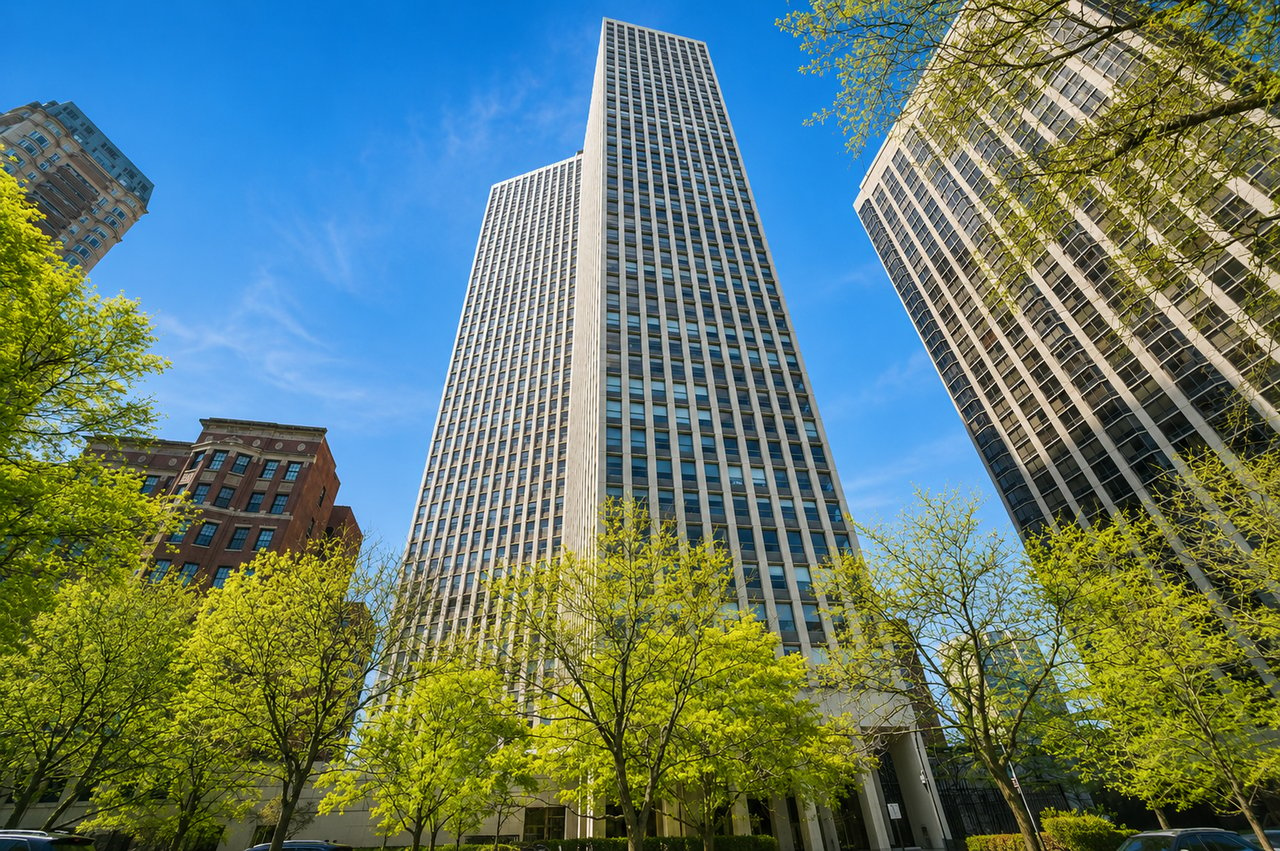
That distinction makes 2626 N Lakeview Ave an especially interesting local case study.
The 42-story Lincoln Park high-rise, built in 1968, has long been known among buyers and brokers for monthly assessments that compared favorably with many other full-service lakefront buildings.
According to publicly indexed materials attributed to a group of 2626 N Lakeview owners, two major special assessments totaling approximately $43.6 million were levied across the building over a five-year period.
The resident group's website, which previously contained additional information about its concerns, was not accessible at the time of this writing. For that reason, I am treating the $43.6 million figure as a publicly reported owner-group figure rather than independently characterizing the association's decisions or the causes behind them.
And that distinction matters.
This article is not about declaring one building good or bad.
It is about what an extraordinary number like $43.6 million can teach anyone buying a Chicago condo.
Because the listing sheet only tells part of the story.
When I help buyers evaluate a condominium, I am looking beyond price, finishes and the current monthly assessment. Reserve funding, previous special assessments, aging building systems, board discussions and upcoming capital projects can materially change the real cost of ownership.
Some expenses truly are surprises.
Others leave clues.
Knowing where to look for those clues before you buy can be the difference between making an informed purchase and discovering an expensive issue after you already own it.
An Electrical Emergency and a Bigger Capital-Planning Question
2626 N Lakeview dates to 1968 and was converted to condominiums in the 1970s. Public real estate records generally identify the building as approximately 491 residences across 42 stories.
According to publicly circulated owner materials, an electrical event in November 2024 resulted in a loss of power at the building and brought attention to aging electrical infrastructure, including the building's switchboard.
Critical electrical infrastructure obviously needs to be addressed when safety is at issue.
For a prospective buyer, however, the more useful question is what happens before a major system reaches that point.
A building component that has been operating for decades is not automatically defective simply because of its age. Nor can every equipment failure be predicted.
But age, expected useful life, maintenance history, anticipated replacement cost and reserve funding should all be part of long-term capital planning.
According to the same publicly indexed owner-group materials, significant additional assessment obligations followed as the building addressed major capital work.
Rather than trying to assign blame from outside the association, I think the better buyer question is:
When major building components are aging, what has the association already identified, what work has been completed, what remains, and how is it expected to be funded?
That question applies to thousands of Chicago condo owners and buyers, not just residents of one building.
What $43.6 Million Looks Like Per Door
Numbers this large become abstract quickly.
If $43.6 million is divided mathematically across approximately 491 residences, it equals roughly:
$88,800 per unit.
That is only a mathematical average.
Special-assessment obligations are generally allocated according to each unit's percentage ownership and the applicable condominium documents. An individual owner's actual responsibility may therefore be considerably higher or lower.
Still, the average illustrates the scale.
Figure | Amount |
|---|---|
Reported major special assessments over approximately five years | $43.6 million |
Approximate residences | 491 |
Mathematical average per residence | ~$88,800 |
And that is in addition to regular monthly assessments.
This does not mean every special assessment is evidence of poor management.
Large buildings require expensive capital work. Facades, elevators, plumbing risers, roofs, garages, windows, boilers, chillers and electrical systems eventually require significant repair or replacement.
The important question is how those expenses are anticipated and funded.
A building can have relatively modest monthly assessments and still carry substantial future obligations.
Another building may have higher monthly assessments precisely because it is consistently contributing more toward reserves for future work.
The monthly number alone does not tell you which building is financially stronger.
Why the Full Picture Can Arrive Late
This is where condominium due diligence becomes more nuanced.
Illinois condominium law provides mechanisms that allow boards to act on certain qualifying emergency expenditures without subjecting them to the same owner-rejection process that can apply to other special assessments.
That flexibility exists for an important reason. A condominium association facing a genuine safety issue needs the ability to act.
For a buyer, though, it reinforces why asking only:
“Is there a special assessment?”
is not enough.
Illinois Section 22.1 resale disclosures provide important information, including anticipated capital expenditures during the current and following two fiscal years, the status of replacement reserves, financial information, pending litigation and association insurance.
Those disclosures matter.
But they are one part of the diligence process.
A disclosure package may tell you what an association currently anticipates. It may not provide the full history of discussions surrounding aging building systems or explain how an association arrived at its current capital plan.
And some association documents may not become available until a buyer is already under contract.
That is why good condo due diligence starts as early as possible.
The goal is not simply to find out whether a special assessment exists.
It is to understand the financial and physical story of the building before you become one of its owners.
The Real Question for Every Vintage Tower on This Stretch of Lakefront
Lincoln Park's lakefront corridor contains a remarkable collection of residential buildings constructed during the high-rise boom of the 1960s and 1970s.
Age itself is not a red flag.
Some older Chicago buildings are exceptionally well maintained and thoughtfully funded. Others have already completed major infrastructure projects that newer buildings may not encounter for decades.
A vintage tower with mature systems and disciplined capital planning can be an excellent purchase.
But buildings from this era are old enough that many major components have already been replaced or are approaching another significant repair or replacement cycle.
That changes the questions a buyer should ask.
Instead of:
“How much are the monthly assessments?”
Ask:
“What are those assessments funding?”
Instead of:
“Are there any current special assessments?”
Ask:
“What major projects have already been completed, what remains, and how does the association expect to pay for them?”
And do not assume that a large reserve balance is automatically reassuring.
A reserve fund needs to be evaluated relative to the size, age and anticipated capital needs of the building.
A buyer can accurately evaluate the price, floor plan, view and renovation quality of a condo and still misunderstand the financial condition of the building surrounding it.
The most expensive information may never appear in the listing photos.
What to Request Before You Write an Offer
If you are considering a vintage high-rise in Lincoln Park, Lakeview, the Gold Coast, Streeterville or elsewhere in Chicago, look beyond the monthly assessment.
Whenever possible, start asking these questions before writing an offer. If certain documents will not become available until attorney review, know what you intend to scrutinize and preserve the appropriate contract protections.
1. The Reserve Study
Ask whether the association has a professional reserve study and when it was last updated.
Then look beyond the reserve balance.
What major components are expected to need repair or replacement?
When?
At what estimated cost?
And is the association accumulating reserves at a pace that reasonably reflects those future projects?
A reserve account can sound substantial until you compare it with a multimillion-dollar capital plan.
2. The Operating Budget and Reserve Contributions
Review the current budget and, where available, previous budgets.
How much is being allocated to reserves versus current operations?
Have assessments remained relatively flat while insurance, labor, utilities and repair costs have increased?
Assessments that are not keeping pace with future capital needs can shift today's costs onto tomorrow's owners.
3. The Special-Assessment History
Do not stop at:
“Is there a special assessment right now?”
Ask about previous assessments and what projects they funded.
One planned assessment for a major modernization may be less concerning than a pattern of unexpected assessments involving failing building systems.
The pattern matters.
4. Board Meeting Minutes
If available, read recent board minutes.
You are looking for repetition:
- the same facade issue appearing meeting after meeting
- elevator modernization repeatedly postponed
- recurring plumbing problems
- insurance claims or emergency repairs
- garage or masonry deterioration
- electrical concerns
- major projects being discussed without a clear funding plan
Problems rarely introduce themselves by saying:
SPECIAL ASSESSMENT COMING.
More often, they appear as the same unresolved issue buried in several sets of minutes.
5. Upcoming Capital Projects
Ask about the major systems relevant to that particular building, which may include:
- elevators
- electrical infrastructure
- plumbing and risers
- boilers and chillers
- windows
- roofs
- facade and masonry
- garages and balconies
- fire and life-safety systems
The older and larger the property, the more important this conversation becomes.
6. The Section 22.1 Disclosure and Financial Documents
Once available, have your real estate attorney review the Section 22.1 disclosure, association financials and condominium documents.
Then compare those documents with what you already know about the property.
When the numbers or physical condition raise additional questions, your attorney, inspector, accountant or an independent engineer may need to join the conversation.
No amount of due diligence can guarantee that a building will never face an unexpected expense.
The goal is to make an informed purchase with as few expensive surprises as possible.
A Short FAQ
Does a large special assessment automatically mean a building is poorly managed?
No.
An assessment may fund exactly the kind of major capital work a responsible association should be completing.
The more useful questions are what the assessment is funding, whether the project had been anticipated, how it is being paid for and what significant work may remain.
A planned capital investment and an unexpected emergency are not the same thing.
Are lower monthly assessments better?
Not necessarily.
Compare the monthly assessment with the building's reserves, operating expenses, debt, included services and anticipated capital work before deciding whether it represents good value.
A lower number today can be appealing.
It does not necessarily mean lower ownership costs over time.
Why can a major expense appear suddenly when a building system is decades old?
Because the age of a system and the exact timing of a failure are different things.
Reserve planning cannot predict every emergency, but it can help an association prepare financially as major building components age and eventually require substantial work.
Should buyers avoid vintage Chicago high-rises?
Absolutely not.
Many older Chicago buildings offer exceptional locations, generous room sizes, architecture and lake views that can be difficult to replicate in newer construction.
The better approach is to understand what has already been completed, what may be coming next and how the association expects to pay for it.
Before You Buy the View, Understand the Building Behind It
When you buy a condo, you are buying more than the space inside your unit.
You are also taking ownership of a percentage of the elevators, electrical system, plumbing, facade, roof, garage, mechanical equipment and other common elements the association is responsible for maintaining.
That is why the quality of your representation matters.
Who you work with matters. Choose an advisor who is there to help you make the right purchase, not simply get a deal to the closing table.
The right agent should help you ask better questions, identify potential risks and understand what you are actually buying before you commit.
That means looking past the beautiful kitchen and the view.
It means recognizing when a reserve balance deserves a closer look, when recurring language in board minutes matters, when a low monthly assessment may not tell the whole story, and when another professional should be brought into the conversation.
After more than two decades advising Chicago buyers, I know that some of the most important information in a condo purchase will never be found in the listing.
It is in the budgets, reserves, meeting minutes, building history and, importantly, the questions you know to ask.
If you are considering a Chicago condo and want an advisor who will help you look beyond the listing and evaluate the bigger picture, book an appointment with Stephanie Wesson before you write the offer.
The goal isn't to avoid every future expense. It's to avoid being surprised by the ones you could have seen coming.
Source note: The $43.6 million figure and descriptions of recent owner concerns referenced in this article are based on publicly indexed materials attributed to a 2626 N Lakeview resident action group. The group's website was not accessible at the time of publication. Building information and other statements should be independently verified as part of any purchase due diligence.