LAKEVIEW: ONE NEIGHBORHOOD, SEVERAL PERSONALITIES
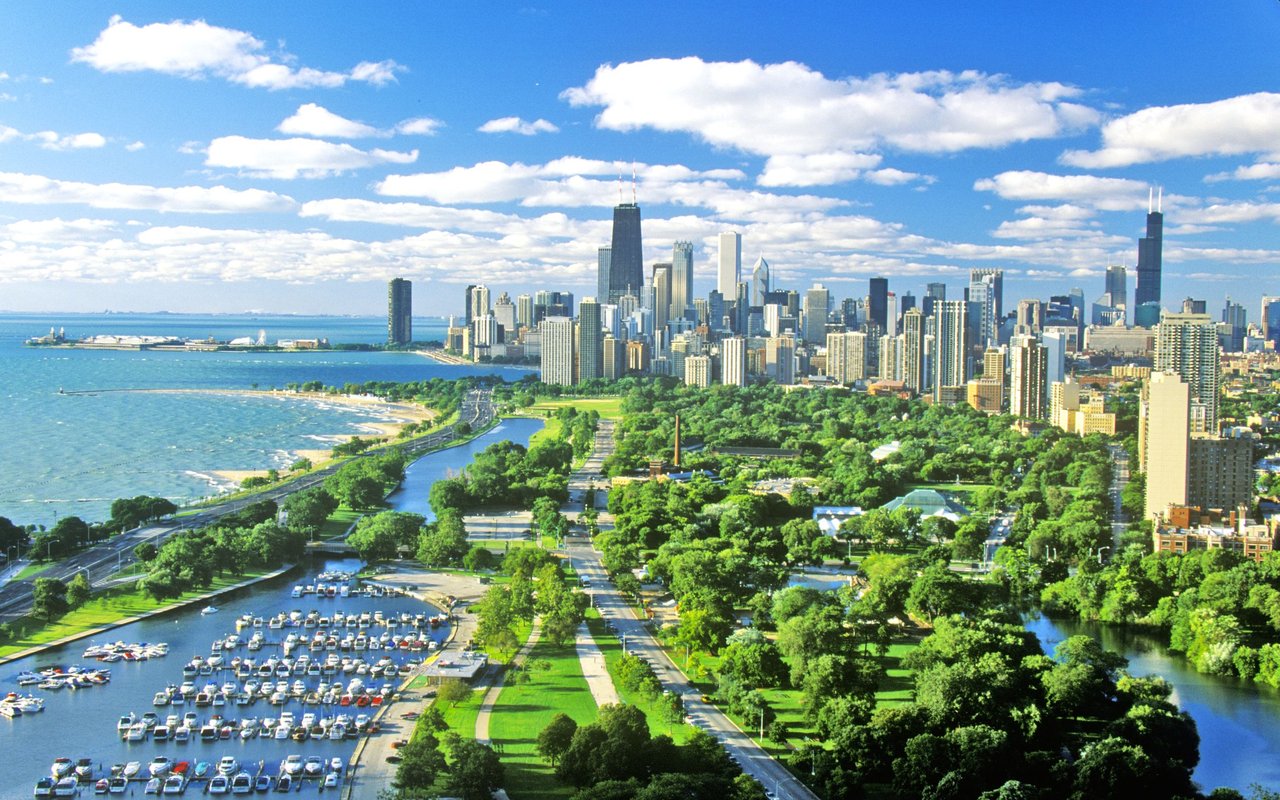
Lakeview is one of Chicago’s largest and most varied North Side neighborhoods, stretching from the lakefront west toward Ravenswood between Lincoln Park and Uptown. Within that broad geography are East Lakeview, Northalsted, Wrigleyville, the Southport Corridor, and quieter residential pockets that can feel entirely different despite sharing the Lakeview name.
Housing is equally varied. Buyers will find vintage courtyard buildings, classic Chicago two-flats and three-flats, greystones, converted condominiums, lakefront high-rises, contemporary developments, and a limited supply of single-family homes. Lakeview is walkable, transit-rich, socially active, and occasionally loud enough to remind you that Wrigley Field is not decorative.
EXPLORE LAKEVIEW HOMES FOR SALE
WHERE IS LAKEVIEW?
Lakeview sits on Chicago’s North Side, bordered generally by Lake Michigan to the east, Ravenswood Avenue to the west, Lincoln Park to the south, and Uptown to the north.
That sounds straightforward until you begin looking at homes.
Living near Belmont Harbor bears little resemblance to living west of Ashland. A condominium near Wrigley Field comes with a different daily rhythm than a home near the Southport Corridor. Even two properties separated by several blocks can offer noticeably different architecture, transportation options, noise levels, parking conditions, and access to the lake.
Lakeview is best understood block by block rather than as one uniform real estate market.
HOW LAKEVIEW BECAME LAKEVIEW
Before Lakeview became one of Chicago’s most densely developed residential areas, it was agricultural land known for truck farming and, somewhat improbably, celery.
Development accelerated during the nineteenth century as Chicagoans moved north and transportation improved. Lakeview incorporated as its own city in 1887, then voted to become part of Chicago only two years later. Lakeview’s mayor reportedly had a few opinions about that decision, proving that debates over Chicago governance are not a recent invention.
Industry developed along Diversey Parkway and the railroad near Lakewood Avenue, while German and Scandinavian communities helped shape the surrounding residential and commercial districts. Over the following decades, Lakeview continued to evolve through immigration, cultural change, entertainment, theater, LGBTQ+ history, lakefront development, and the increasingly influential presence of Wrigley Field.
The result is not a neighborhood with one identity. It is a collection of identities that have learned, mostly successfully, to share the same boundaries.
HOW LAKEVIEW CHANGES FROM EAST TO WEST
EAST LAKEVIEW AND THE LAKEFRONT
East Lakeview offers the neighborhood’s closest connection to Lake Michigan, Belmont Harbor, lakefront parks, trails, recreation, and express transportation along DuSable Lake Shore Drive.
Housing includes stately prewar apartment buildings, vintage condominiums, mid-century towers, contemporary high-rises, and smaller residential buildings tucked behind Broadway and Clark Street. Some properties offer lake or harbor views, while others trade the view for quieter tree-lined blocks.
The lifestyle is distinctly urban. Restaurants, neighborhood businesses, fitness studios, entertainment, transit, and the lake are often within a short walk.
NORTHALSTED
Northalsted is central to Chicago’s LGBTQ+ history and remains one of the city’s best-known nightlife and cultural districts.
The surrounding housing includes vintage walk-ups, courtyard buildings, condominiums, and residential side streets that can feel surprisingly calm considering the activity along Halsted and Broadway. Pride celebrations, festivals, bars, restaurants, and entertainment bring considerable energy to the area.
Buyers considering Northalsted should evaluate the exact location rather than relying solely on the listing address. Proximity to nightlife can be either a feature or a complication, depending on the buyer and the bedroom windows.
WRIGLEYVILLE
Wrigleyville surrounds Wrigley Field and carries the most recognizable version of Lakeview’s public personality.
Game days bring crowds, traffic, music, rooftops, and an atmosphere that can feel like a neighborhood festival several dozen times per year. Beyond Clark Street, however, Wrigleyville includes handsome greystones, brick two-flats, vintage apartment buildings, renovated condominiums, and residential blocks that are far quieter than many outsiders expect.
Real estate near the ballpark requires additional due diligence. Noise exposure, pedestrian traffic, parking restrictions, short-term rental rules, and event-day access should all be considered. The Cubs schedule is not technically a property disclosure, but it is useful reading.
SOUTHPORT CORRIDOR AND WEST LAKEVIEW
The Southport Corridor offers a more polished neighborhood retail experience, with boutiques, restaurants, cafés, theaters, and Brown Line access surrounded by residential streets.
Housing includes vintage flats, frame homes, brick two-flats, condominiums, newer construction, and some of Lakeview’s more sought-after single-family residences. Moving farther west generally brings a more residential atmosphere, larger concentrations of low-rise housing, and convenient access to both Lakeview and neighboring Roscoe Village.
This section of Lakeview often appeals to buyers who want walkability and neighborhood businesses without being directly adjacent to the lakefront or Wrigley Field activity.
WHAT TYPES OF HOMES ARE IN LAKEVIEW?
Lakeview’s housing stock is predominantly condominium and multifamily, although the form and experience vary considerably.
Near the lake, buyers will find large elevator buildings with doormen, amenities, views, and substantial association operations. Farther west, the housing becomes increasingly low-rise, with courtyard buildings, vintage walk-ups, two-flats, three-flats, greystones, and converted condominiums.
Single-family homes exist throughout Lakeview but represent a relatively limited portion of the neighborhood’s housing supply. They range from renovated historic homes to larger new-construction residences created by combining lots or converting former multifamily buildings.
There is no single Lakeview housing profile, which is useful until someone tells me they want “a Lakeview condo” and assumes that has narrowed the search.
WHAT IS IT LIKE TO LIVE IN LAKEVIEW?
Lakeview offers a combination of lakefront recreation, neighborhood retail, restaurants, theater, nightlife, public transportation, and residential architecture that is difficult to replicate elsewhere in Chicago.
The Red, Brown, and Purple Lines serve different portions of the neighborhood, supplemented by multiple bus routes and access to DuSable Lake Shore Drive. Residents can reach the Loop, the lakefront, neighboring North Side communities, and many daily necessities without relying exclusively on a car.
The neighborhood is active throughout the week, although the intensity changes considerably by location. A home overlooking the lake, a condo near Belmont, and a two-flat west of Ashland may all be described as Lakeview, but they do not provide the same version of Chicago living.
WHAT SHOULD LAKEVIEW BUYERS KNOW?
Lakeview requires more than choosing a price range and bedroom count. The individual building, association, block, and micro-neighborhood can materially affect both lifestyle and long-term ownership.
For condominium buyers, I review association finances, reserves, recent and planned capital projects, insurance, rental policies, litigation, special assessments, and building maintenance. Lakefront high-rises may offer exceptional views and amenities, but elevators, façades, roofs, windows, mechanical systems, and staffing create significant operating responsibilities.
Smaller vintage associations may offer character and lower monthly assessments, but buyers should determine whether those lower assessments reflect efficiency or simply deferred planning.
In older walk-ups and converted buildings, sound transmission, electrical service, plumbing, masonry, roof condition, storage, and assigned parking deserve close attention. For properties near Wrigley Field or major entertainment corridors, event traffic and noise should be considered at different times of day, not merely during a quiet Tuesday showing.
The correct Lakeview property is not necessarily the one with the longest amenity list. It is the one whose location, building condition, association structure, and daily tradeoffs align with how the buyer intends to live.
LAKEVIEW AT A GLANCE
LOCATION
Chicago’s North Side, between Lincoln Park and Uptown, extending from Lake Michigan west toward Ravenswood
KNOWN FOR
The lakefront, Belmont Harbor, Wrigley Field, Northalsted, the Southport Corridor, entertainment, restaurants, and neighborhood retail
HOUSING
Vintage condominiums, courtyard buildings, lakefront high-rises, two-flats, three-flats, greystones, newer construction, and limited single-family inventory
TRANSIT
Red, Brown, and Purple Line service, multiple CTA bus routes, and access to DuSable Lake Shore Drive
ATMOSPHERE
Walkable, active, architecturally varied, socially connected, and highly dependent on the particular block
REAL ESTATE CONSIDERATIONS
Condominium association strength, vintage building systems, parking, sound exposure, lakefront building expenses, event traffic, and significant price differences between micro-neighborhoods
CONSIDERING A MOVE TO LAKEVIEW?
Lakeview rewards a block-by-block strategy. I help buyers, sellers, and relocating clients understand the differences between its micro-neighborhoods, evaluate the property beyond the photographs, and make informed decisions about both the home and the building behind it.
CONTACT STEPHANIE