Lincoln Park: Lakefront Living With More Range Than Its Reputation Suggests
Lincoln Park is one of Chicago’s most recognizable neighborhoods, but its appeal is less about name recognition than range. Roughly bounded by North Avenue, Diversey Parkway, Lake Michigan and the North Branch of the Chicago River, it moves from lakefront towers and landmark residential streets to DePaul’s campus, neighborhood retail and quieter pockets farther west. Housing includes vintage courtyard buildings, greystones, row homes, two- and three-flats, townhomes, high-rise condominiums and significant single-family residences. It is polished without being uniform, active without requiring a nightlife strategy, and exceptionally convenient, assuming one accepts that parking can still be a personality test.
Explore Lincoln Park Homes for Sale
How Lincoln Park Became Lincoln Park
The neighborhood’s history begins, somewhat unexpectedly, with a cemetery.
The lakefront land that became Lincoln Park was once part of Chicago’s public burial ground. Concerns about public health led the city to reserve a portion as parkland in 1860. It was renamed in honor of Abraham Lincoln after his assassination, and the Lincoln Park Commission later expanded the park north and south while overseeing the relocation of most remaining graves. An early gift of swans also helped begin what would become Lincoln Park Zoo. Chicago history does occasionally take a turn.
The residential neighborhood developed beside the park through several distinct periods. German immigrants settled portions of the area in the nineteenth century, while the Great Chicago Fire destroyed much of what is now the Old Town Triangle. The rebuilding that followed produced workers’ cottages, brick row homes, apartment buildings and larger stone residences, many of which continue to define Lincoln Park’s architectural character.
Lincoln Park’s polished present also has a more complicated chapter. Mid-twentieth-century urban renewal and private reinvestment rehabilitated portions of the neighborhood, but they also displaced many lower-income and Puerto Rican residents. The Young Lords emerged from Lincoln Park during this period and became an important force in Chicago’s civil-rights and community-organizing history. The neighborhood’s preservation story deserves appreciation, but not selective memory.
Architecture With Actual Range
Lincoln Park is not one housing market wearing a single zip code.
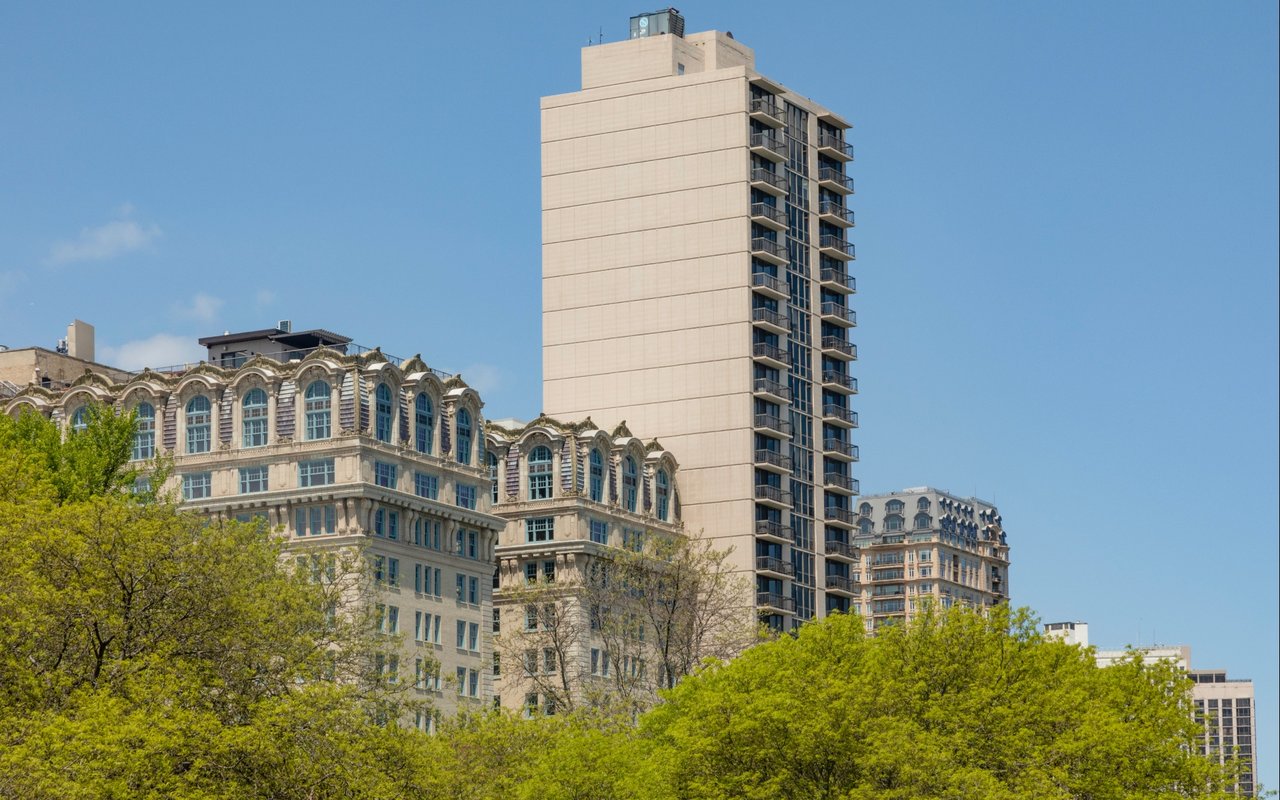
Closer to the lake, buyers will find vintage elevator buildings, cooperative apartments, high-rise condominiums and substantial single-family homes near the park. Around Armitage, Halsted and the historic districts, the scale becomes more intimate, with nineteenth-century commercial buildings, row homes, workers’ cottages, greystones and ornate brick residences lining mature residential blocks. The Armitage-Halsted District remains one of Chicago’s best-preserved nineteenth-century commercial streetscapes.
Near DePaul and farther west, the mix broadens to two- and three-flats, converted buildings, townhomes, newer condominiums and contemporary single-family construction. A serene residential block and a busy commercial corridor may be separated by one turn, which is why choosing the right block matters nearly as much as choosing the neighborhood.
The Park Is Not Merely Decorative
Lincoln Park provides an amount of public green space that would be difficult to replicate in most major cities. The portion adjoining the neighborhood includes Lincoln Park Zoo, the Conservatory, North Pond, the Alfred Caldwell Lily Pool, the Peggy Notebaert Nature Museum, Theatre on the Lake, playing fields, beaches and access to the lakefront trail. The Conservatory itself was built between 1890 and 1895, replacing an earlier greenhouse from the 1870s.
These amenities are not simply places one tells visiting relatives to see. They shape daily life. Morning runs, walks around North Pond, afternoons at the zoo, and last-minute lakefront plans can become part of an ordinary week rather than a carefully coordinated excursion.
What Is It Like to Live in Lincoln Park?
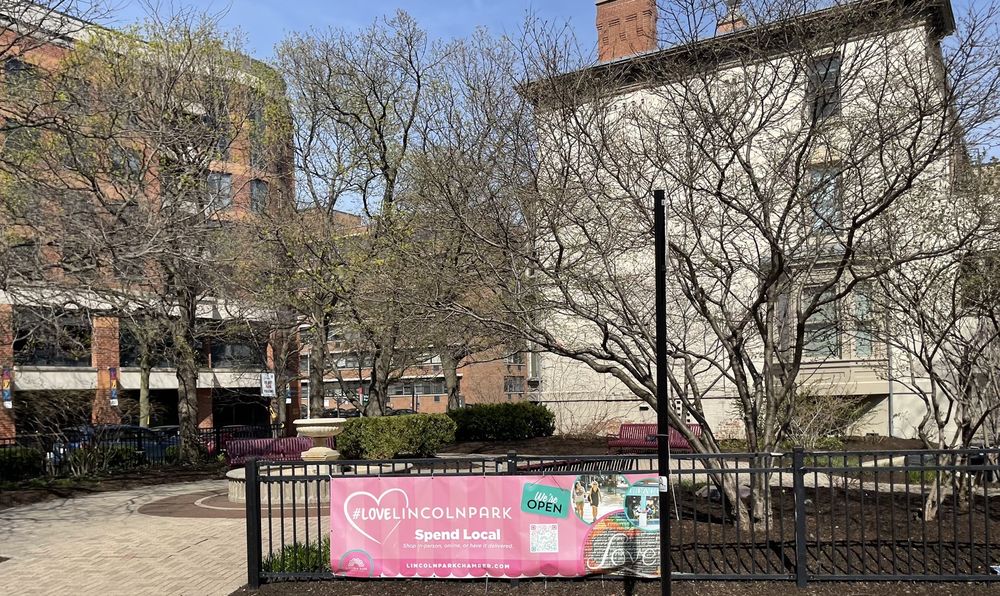
Commercial activity is distributed across several corridors rather than concentrated in one central strip. Clark Street, Lincoln Avenue, Armitage Avenue, Halsted Street, Webster Avenue and Clybourn Avenue each offer a slightly different combination of restaurants, shops, services and entertainment.
DePaul University brings activity around Fullerton and Sheffield, while the eastern portion of the neighborhood feels more closely connected to the park and lakefront. Lincoln Park can therefore feel energetic, residential, collegiate, architectural or quietly established depending on the block and time of day.
Transit access is strongest near the Fullerton, Armitage and Diversey stations. Fullerton is served by the Red, Brown and Purple lines, while the Brown and Purple lines also serve Armitage and Diversey. Lakefront properties exchange immediate train access for proximity to the park, express buses and the lakefront itself.
Buying a Home in Lincoln Park
Price, property type and everyday experience can shift quickly from east to west and even from one block to the next. Buyers should evaluate more than finishes and square footage.
Sunlight, outdoor space, parking, proximity to the train, commercial activity, DePaul-related noise and historic-district considerations can all affect how a property functions. Vintage condominium buyers should review reserves, recent capital projects, planned maintenance and parking arrangements carefully.
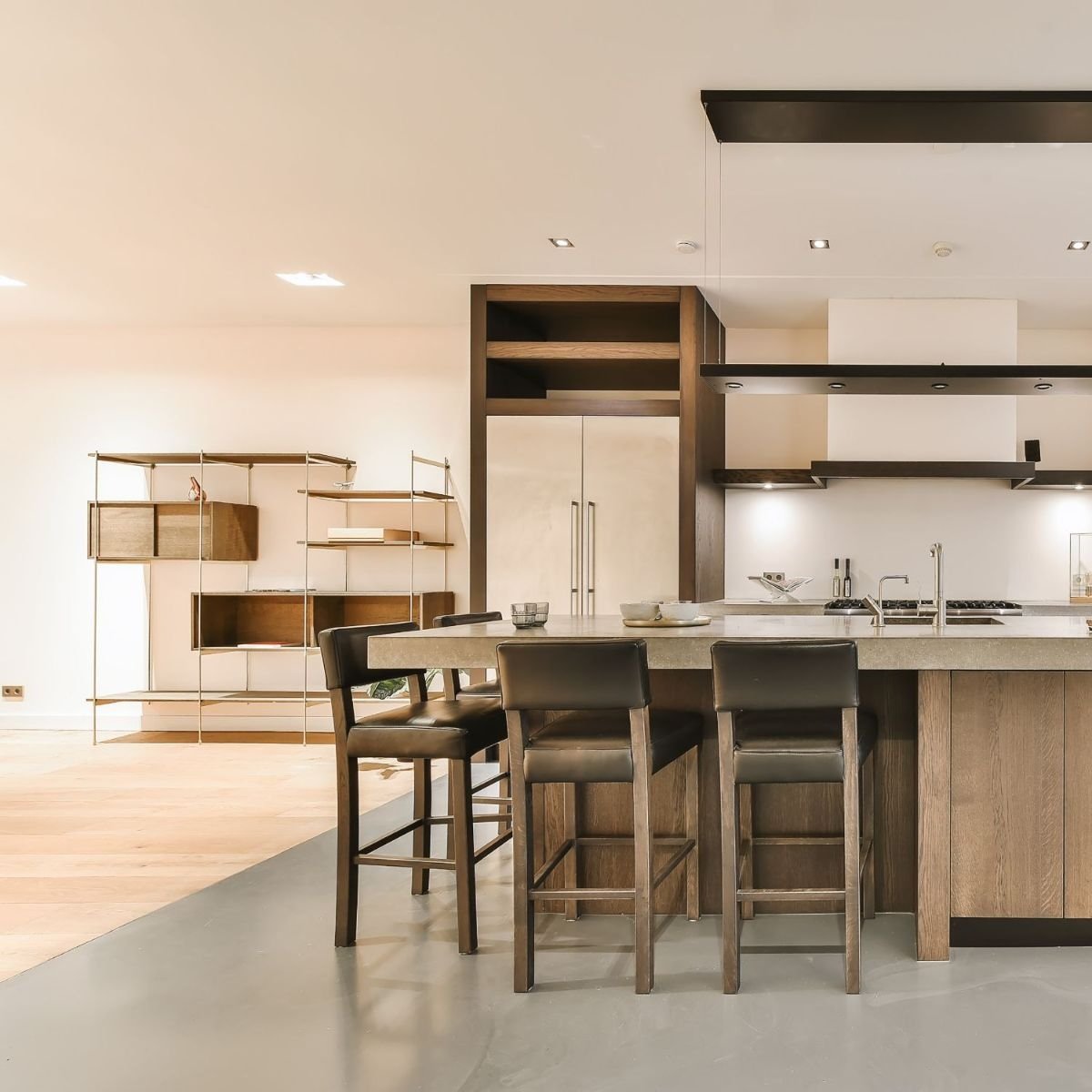
Single-family buyers should pay equal attention to lot width, zoning, renovation quality and whether a home’s floor plan has been thoughtfully resolved or merely photographed around. A wide-angle lens has never repaired an awkward kitchen.
Lincoln Park rewards precision. The best purchase is not automatically the newest property or the closest one to the lake. It is the home whose location, building type, condition, and long-term costs align with how the buyer actually intends to live.
Lincoln Park at a Glance
Location: North Side, between North Avenue and Diversey Parkway
Housing: Vintage condominiums, high-rises, greystones, row homes, two- and three-flats, townhomes and single-family residences
Known For: Lincoln Park Zoo, the lakefront, historic architecture, DePaul University and established commercial corridors
Transit: Red, Brown and Purple Line access, multiple bus routes and the lakefront trail
Overall Feel: Established, active, architecturally varied and exceptionally connected
Considering a move to Lincoln Park? Schedule a Buyer Consultation today, and we will narrow the search by block, property type, budget, and the details that will actually affect your daily life.