North Center: Established, Connected and Quietly Confident
North Center delivers one of the North Side’s most useful balances: residential streets, independent businesses, Brown Line access and enough activity to feel connected without turning every errand into an expedition. Its housing is equally varied, from workers' cottages and classic two-flats to condominiums, townhomes and substantial newer single-family homes.
The broader North Center community area also includes Roscoe Village, one of its most recognizable residential pockets, along with North Center, Hamlin Park and St. Ben’s. Together, these smaller neighborhoods create a community that feels established rather than manufactured.
North Center is not trying to be Chicago’s loudest neighborhood. It is too busy functioning well, which may be the more convincing luxury.
Explore North Center homes for sale.
A Quick Geography Lesson, Because Chicago
North Center is an official Chicago community area, but its formal boundaries are larger than the neighborhood many residents casually call Northcenter.
The official community area extends from Diversey Parkway north to Montrose Avenue, with Ravenswood Avenue to the east and the Chicago River to the west. Within those boundaries are several smaller neighborhood identities, including Roscoe Village, Northcenter, Hamlin Park and St. Ben’s.
Roscoe Village generally occupies the southern portion of the community area, centered around Roscoe Street and extending roughly from Western Avenue toward Ravenswood Avenue. Northcenter proper is typically associated with the area farther north, centered around Lincoln Avenue, Damen Avenue and Irving Park Road.
Chicago neighborhood boundaries are not guarded by customs agents, but the distinctions still matter. Location can affect comparable sales, public-school attendance boundaries, transit access, commercial activity and how a property is ultimately positioned for resale.
From Prairie and Clay Pits to Bricktown
Before North Center became one of the city’s more established residential areas, the land consisted largely of prairie, farmland and truck gardens. German, Swedish, Irish and English immigrants were among its early settlers, farming near the rail lines and using the North Branch of the Chicago River to move goods.
Clay deposits near the river supported a collection of brickyards, earning the area the nickname Bricktown. Those bricks helped supply a rapidly expanding Chicago, particularly during the building boom that followed the Great Chicago Fire.
The broader area became part of Chicago when Lake View Township was annexed in 1889. Development followed gradually, leaving behind an architectural record of the people who worked, built and invested here long before North Center became associated with renovated kitchens and seven-figure single-family homes.
Neighborhood history has a sense of humor that way.
What Is It Like to Live in North Center?
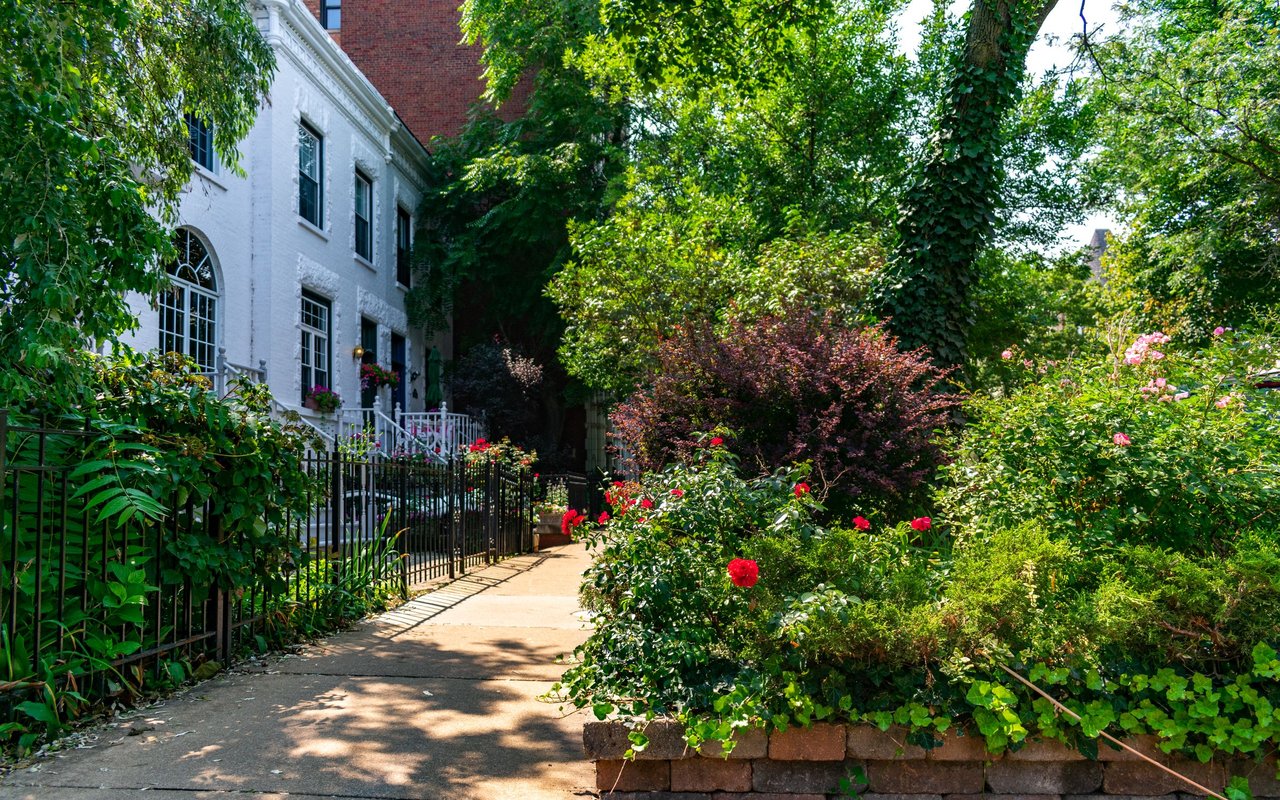
North Center feels residential first, but it is not isolated from city life. Lincoln Avenue forms one of its primary commercial spines, while Damen Avenue, Irving Park Road, Addison Street and Roscoe Street add restaurants, services, shops and everyday conveniences.
Northcenter Town Square functions as a genuine neighborhood gathering place, hosting seasonal programming, concerts and community events. Farther south, Roscoe Village has its own recognizable commercial district, with independent shops, restaurants and businesses concentrated along Roscoe Street.
The result is a neighborhood where daily life can remain relatively local. Residents can walk to coffee shops, restaurants, parks, markets and services without feeling as though they live in the middle of a major entertainment district.
The Brown Line provides access toward downtown and other North Side neighborhoods, although convenience varies considerably by block. Homes near the tracks offer easier train access but may experience more noise. Properties farther west gain separation from the train but can require a longer walk or a bus connection.
That block-by-block variation is part of North Center’s appeal, but it is also why buyers should look beyond the neighborhood name.
North Center and Roscoe Village Homes
North Center’s original housing stock includes workers cottages, frame houses, brick two-flats, three-flats, bungalows and modest single-family homes built during the neighborhood’s late nineteenth- and early twentieth-century growth.
Over time, many smaller properties have been expanded, converted or replaced. Today, buyers will find several distinct options:
Vintage cottages and single-family homes with character, efficient footprints and varying levels of renovation.
Two-flats and three-flats that may remain income-producing properties or have been converted into larger single-family residences.
Condominiums and townhomes offering lower-maintenance ownership, frequently near commercial streets and transit.
Newer single-family construction with larger floor plans, finished lower levels, contemporary systems and attached or detached garages.
Roscoe Village contains many of the same housing types, but its narrower residential streets and concentrated commercial corridor give it a somewhat more intimate identity within the larger North Center community area.
The architectural range is valuable, but style alone does not determine value. Lot width, natural light, floor-plan efficiency, bedroom placement, ceiling height, outdoor space, garage access and renovation quality can create significant differences between homes that appear comparable online.
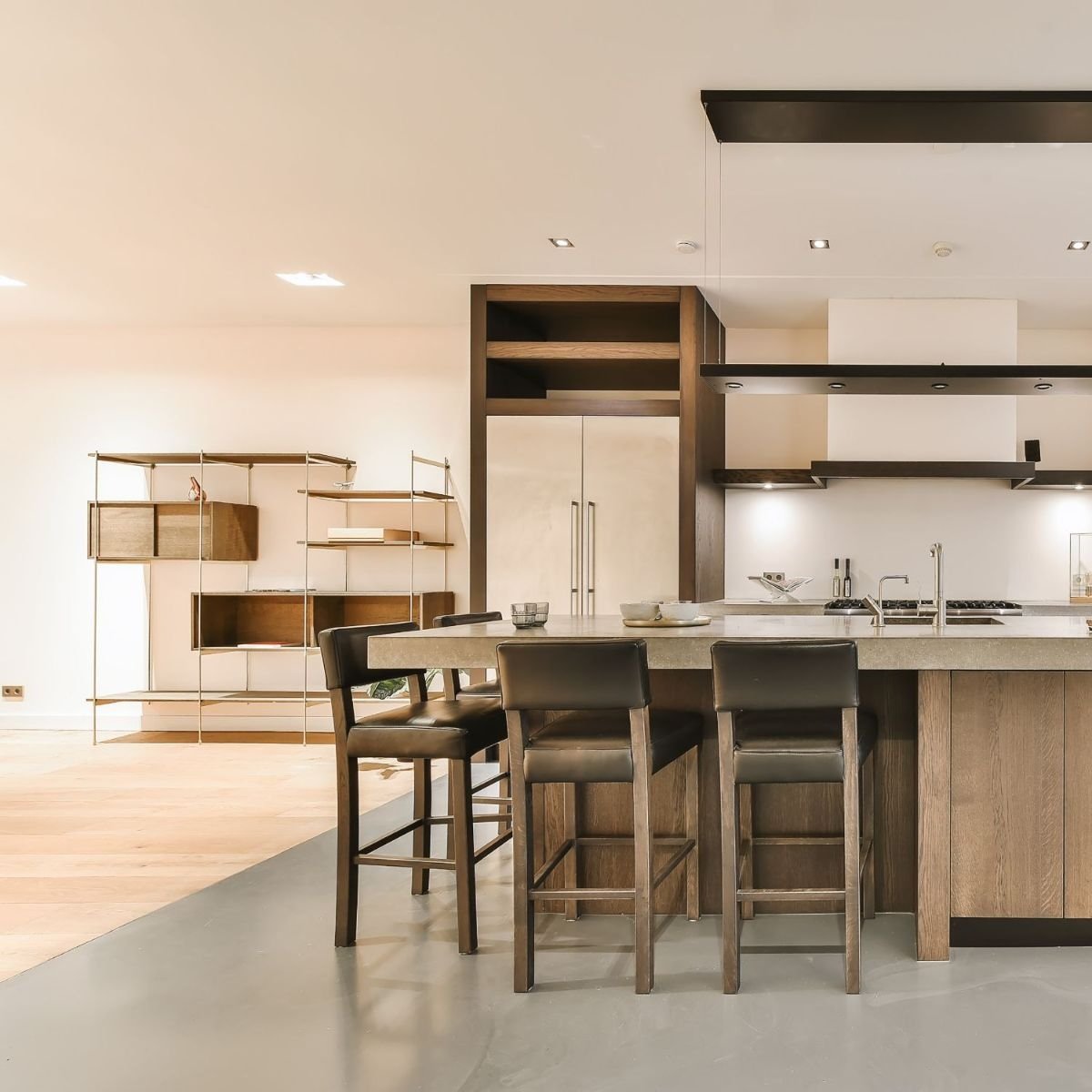
A dramatic kitchen can photograph beautifully. It cannot widen a narrow hallway or move the Brown Line farther away.
Public Schools and Address-Specific Boundaries
Alexander Graham Bell School and John C. Coonley Elementary School are two Chicago Public Schools commonly associated with the broader North Center and Roscoe Village area.
Bell is located on Oakley Avenue near the western side of the community, while Coonley is located on Leavitt Street in Northcenter. Both are part of Chicago Public Schools, but attendance eligibility depends on the specific property address and the program involved.
Buyers should never assume that a North Center or Roscoe Village address automatically falls within a particular school boundary. Attendance areas can divide nearby blocks, and some specialized programs have separate admissions requirements.
School assignments, program availability and enrollment procedures should always be verified directly through the CPS School Locator and the individual school before a housing decision is made. In Chicago, being across the street can occasionally be a meaningful geographic condition rather than a figure of speech.
What Buyers Should Know About North Center Real Estate
North Center and Roscoe Village command consistent buyer interest because they combine city access with a more residential environment. That interest can create competition for well-positioned homes, but buyers should still evaluate each property independently.
For vintage homes, pay close attention to masonry, roofs, electrical service, plumbing, sewer conditions, basement moisture and the quality of previous additions. A beautifully renovated interior does not automatically mean the less photogenic parts of the property received equal attention.
For newer construction, examine how effectively the home uses its lot. Stair placement, side setbacks, window exposure and lower-level ceiling height can materially affect how a house feels after the staging furniture has left.
Proximity to Irving Park Road, Western Avenue, Ashland Avenue, Addison Street and the Brown Line can also affect noise, traffic patterns, parking and resale considerations. Two properties separated by only a few blocks may deliver very different daily experiences.
Roscoe Village and Northcenter can also produce different pricing patterns depending on property type, school boundary, lot size, proximity to commercial corridors and the quality of renovation. A neighborhood label is helpful. A block-level analysis is considerably more useful.
North Center at a Glance
Location: North Side of Chicago, between Lakeview, Lincoln Square and the North Branch of the Chicago River
Official community-area boundaries: Diversey Parkway to Montrose Avenue, Ravenswood Avenue to the Chicago River
Neighborhoods within the community area: Northcenter, Roscoe Village, Hamlin Park and St. Ben’s
Housing: Workers cottages, two-flats, three-flats, bungalows, condominiums, townhomes and newer single-family homes
Public schools: CPS options serving portions of the area include Bell and Coonley; attendance and program eligibility are address-specific
Transit: CTA Brown Line access and multiple east-west and north-south bus routes
Neighborhood feel: Residential, connected, locally oriented and active without feeling overly commercial
Known for: Architectural variety, independent businesses, Roscoe Street, Northcenter Town Square, community events and neighborhood markets
Buyer considerations: Exact location, school attendance boundaries, lot width, train and arterial-road proximity, basement conditions and renovation quality
Considering a Move to North Center or Roscoe Village?
North Center and Roscoe Village remain highly competitive markets, particularly for well-located single-family homes, larger condominiums and properties within sought-after school boundaries. The strongest opportunities do not always reach the public market. Some are sold privately, through agent networks or before a traditional listing is launched.
Schedule a buyer consultation today to discuss your priorities, understand the block-by-block differences and prepare before the right property appears.
For earlier access to private and off-market opportunities, request an invitation to Private Listing Access.