West Loop: Industrial History, Modern Chicago
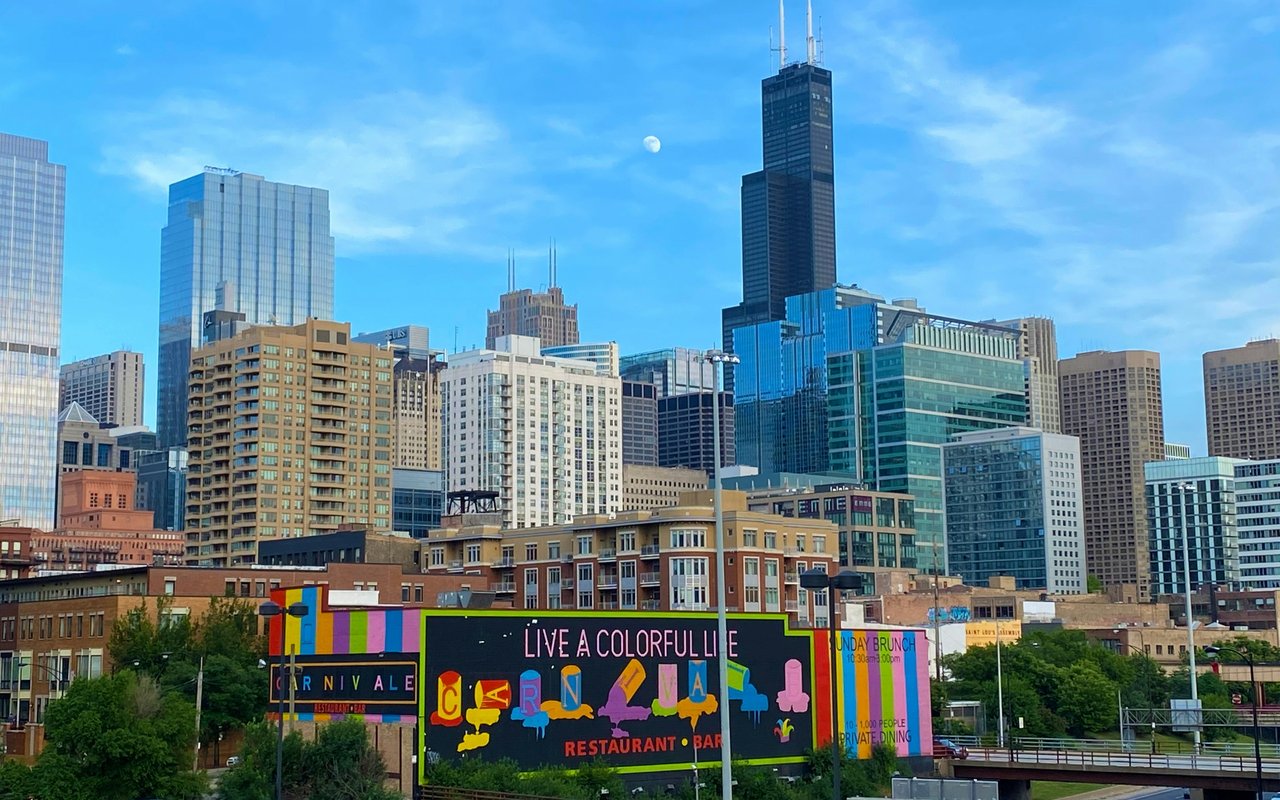
The West Loop sits just west of downtown, where brick warehouses, timber lofts and former food-distribution buildings now share the street with sleek condominium towers, corporate campuses and some of Chicago’s hardest-to-book tables. It is urban, walkable and energetic, with convenient access to the Loop, neighborhood parks and housing that ranges from authentic loft conversions to polished new construction. The tradeoff is equally clear: this is not a quiet little pocket pretending to be undiscovered. Buyers are paying for convenience, design, dining and momentum, often on the same block.
A Neighborhood Built to Work
Long before the West Loop became associated with tasting menus and rooftop cocktails, it was one of Chicago’s essential commercial districts. Produce vendors, meatpackers, wholesalers and manufacturers occupied the broad masonry buildings around Fulton and Randolph, taking advantage of the neighborhood’s proximity to rail lines and downtown.
That history remains visible in the loading docks, brick façades, timber beams and unusually wide buildings that give the area its character. The Fulton-Randolph Market District was designated a Chicago Landmark district in 2015, helping preserve an important section of the city’s wholesale food and industrial history.
Today, those industrial buildings coexist with hotels, offices, restaurants, boutiques and residential towers. The transformation has been dramatic, although the neighborhood has wisely kept enough exposed brick around to remind everyone that Chicago was doing “industrial chic” long before it had a marketing department.
West Loop or Fulton Market?
The names are often used interchangeably, but they are not quite the same thing.
Fulton Market generally refers to the northern portion of the neighborhood surrounding Fulton Market Street and Lake Street. It tends to feel newer, taller and more hospitality-driven, with a dense concentration of restaurants, hotels, offices and nightlife.
The broader West Loop continues south through Randolph and Madison toward Mary Bartelme Park and Greektown. These blocks can feel more residential, with established condominium buildings, townhomes, loft conversions and easier access to everyday neighborhood amenities.
Understanding those differences matters when buying. Two homes separated by only a few blocks may offer entirely different levels of activity, traffic, construction and late-night noise.
Life in the West Loop
Dining may have made the neighborhood famous, particularly along Randolph Street and throughout Fulton Market, but daily life here is more practical than the restaurant coverage suggests. Residents have access to grocery stores, fitness studios, cafés, neighborhood services, public transportation and an increasingly established residential community. Randolph Street remains one of Chicago’s most recognized dining corridors.
Mary Bartelme Park serves as a central gathering place for families, dog owners and anyone hoping to spend an hour outdoors without purchasing a cocktail first. Union Park provides additional green space near the western edge of the neighborhood, while Greektown preserves another layer of the area’s cultural and commercial history.
The overall atmosphere is polished but active. Weekday mornings bring commuters and office workers. Evenings bring restaurant traffic. Weekends bring brunch reservations, park activity and a remarkable number of dogs who appear to have better social calendars than most adults.
West Loop Homes and Architecture
The West Loop offers one of Chicago’s broadest mixtures of urban housing styles.
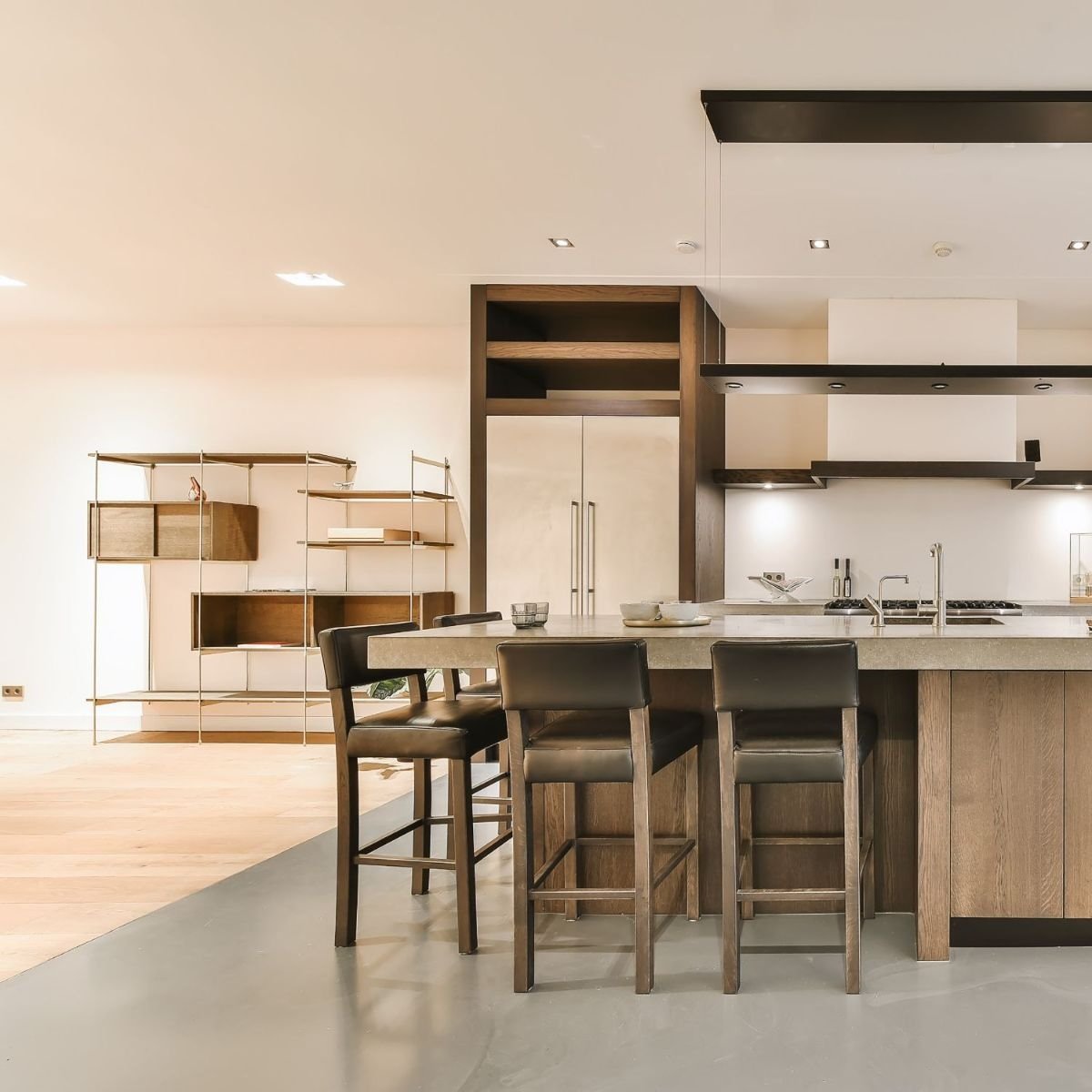
Original timber and concrete loft conversions may feature exposed brick, heavy beams, oversized windows and open floor plans. Newer condominium buildings offer elevators, parking, balconies, amenity spaces and more conventional layouts. Fulton Market has added luxury towers and high-design developments, while quieter residential streets contain townhomes, boutique buildings and established mid-rises.
The word loft deserves particular scrutiny here. Some properties are genuine warehouse conversions. Others are newer “soft lofts” that borrow the open layout and industrial appearance without the century-old beams, freight-sized windows or occasional acoustic surprises.
When evaluating a West Loop property, I pay close attention to:
Building financials and reserves
Established conversions and newer amenity buildings can have very different operating costs and capital needs.
Sound and exposure
Restaurants, elevated trains, loading activity and nightlife can vary significantly from one block or elevation to another.
Future development
An open view may be spectacular, but it is important to determine whether it is protected or merely borrowed from an undeveloped parcel next door.
Parking and transportation
Not every loft or boutique building includes parking, and deeded spaces can materially affect both value and resale.
Rental policies
Investor concentration and rental restrictions vary widely by association and can influence financing, monthly assessments and long-term marketability.
Parks, Schools and Family Life
The West Loop has become increasingly popular with families, particularly around Mary Bartelme Park and the more residential blocks south of Randolph.
Skinner West is the public elementary school most frequently associated with the neighborhood. The school offers enrollment through several pathways, including neighborhood attendance boundaries, selective enrollment and the CPS lottery. Because eligibility depends on the exact property address and program, school placement should always be verified directly with Chicago Public Schools before purchasing.
Families considering the area should also evaluate outdoor space, stroller access, parking and proximity to the neighborhood’s busier restaurant and entertainment corridors. The West Loop can work exceptionally well for family life, but one block may feel decidedly more residential than the next.
Buying or Selling in the West Loop
The West Loop is one of Chicago’s most competitive and closely watched urban real estate markets, but it is not one uniform market.
A converted timber loft, an established condominium near Mary Bartelme Park and a luxury residence in Fulton Market attract different buyers and should not be priced or evaluated as though they are interchangeable. Building reputation, outdoor space, parking, assessments, finishes, exposure and future development can create meaningful differences in value, even within the same few blocks.
For sellers, presentation matters. Buyers drawn to the West Loop are often highly design-conscious and quick to compare a property against both renovated resale inventory and new construction. Strategic improvements, thoughtful styling and precise positioning can materially change how a home performs.
For buyers, preparation matters just as much. The strongest properties may move quickly, and some opportunities circulate privately before reaching the broader public market.
Request Access to Private and Off-Market Listings
At a Glance
The feel: Energetic, polished, walkable and industrial-modern
Housing: Authentic lofts, condominium conversions, townhomes, boutique buildings and luxury new construction
Known for: Fulton Market, Randolph Street, Restaurant Row, Mary Bartelme Park and Greektown
Best suited for: Buyers seeking downtown access, dining, design, walkability and contemporary urban living
Important considerations: New development, noise exposure, parking, assessments, rental restrictions and the difference between West Loop and Fulton Market micro-locations
Considering moving to the West Loop?
Ask Me & Start Here