West Town
West Town is not one neatly contained neighborhood. It is a collection of distinct Chicago communities, including Ukrainian Village, East Village, Noble Square and River West, connected by historic residential streets and the energetic Chicago, Grand and Division Avenue corridors. Buyers will find workers’ cottages, brick two- and three-flats, greystones, industrial lofts, contemporary condominiums and increasingly ambitious new construction. The appeal is the combination: character, independent businesses, acclaimed dining and unusually convenient access to downtown, all without feeling especially corporate or overly polished.
A Neighborhood Made of Neighborhoods
West Town is both an official Chicago community area and an umbrella term for several smaller neighborhoods with their own identities, histories and boundaries.
That can make the geography slightly confusing. Ask three Chicagoans where West Town ends and Ukrainian Village begins, and there is a reasonable chance you will receive four answers. The distinctions still matter, particularly when comparing architecture, transportation, commercial activity and real estate values from one pocket to another.
Ukrainian Village is known for its historic churches, preserved residential streets and strong cultural legacy. East Village blends older housing with contemporary development and easy access to the restaurants and shops along Chicago and Division avenues. Noble Square offers a more direct connection to the Blue Line and downtown, while River West mixes loft buildings, newer construction and former industrial properties near the Chicago River.
Together, they create one of the city’s most layered residential areas.
How West Town Developed
Much of West Town developed during Chicago’s rapid nineteenth-century expansion, as factories, railroads and industrial businesses drew workers to the area west of the river.
German and Scandinavian immigrants were among its earlier residents, followed by substantial Polish and Ukrainian communities. Puerto Rican, Mexican and African American residents also shaped the neighborhood as Chicago’s population and housing patterns continued to change.
Those histories remain visible in West Town’s churches, institutions, commercial buildings and residential architecture. The neighborhood was not planned as a perfectly coordinated lifestyle district. It grew in sections, shifted over generations and accumulated character the old-fashioned way: gradually, unevenly and with very little concern for modern branding exercises.
Architecture and Housing
West Town’s housing is one of its greatest strengths.
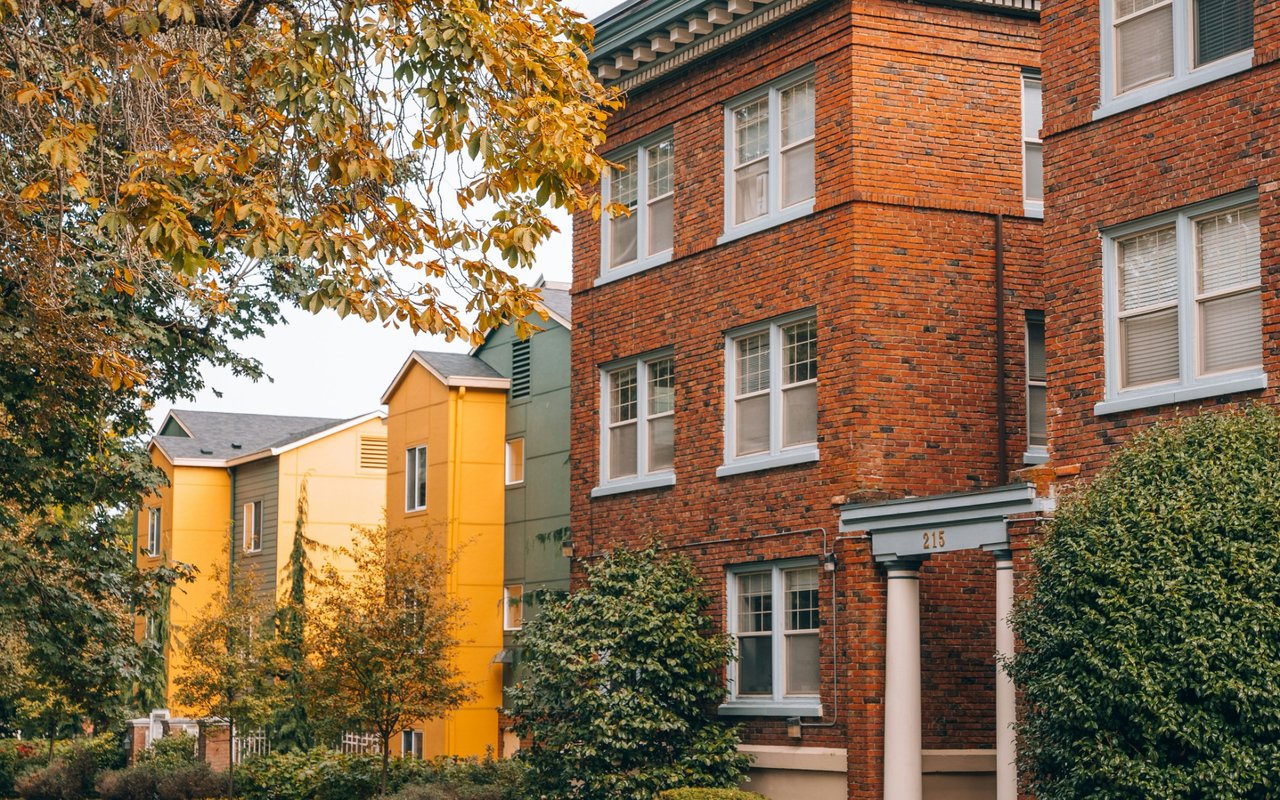
Workers’ cottages, frame houses, brick two- and three-flats, greystones and courtyard buildings reflect the neighborhood’s working-class and immigrant roots. Converted factories and warehouses introduced loft living, while newer condominiums and single-family homes have added larger layouts, roof decks, attached garages and contemporary design.
Several portions of Ukrainian Village and East Village are protected as Chicago landmark districts, preserving unusually intact collections of nineteenth- and early twentieth-century homes. Within these areas, buyers may encounter architectural review requirements that affect exterior alterations, additions and redevelopment.
Housing can change dramatically within a few blocks. A modest cottage may sit beside a modern residence built nearly to the lot lines. A vintage two-flat may retain original woodwork and layouts, while the next property has been converted into a single-family home with a glass staircase and a wine wall. West Town contains multitudes, apparently including several interpretations of what constitutes an appropriate kitchen island.
Living in West Town Today
Chicago Avenue serves as West Town’s primary commercial spine, lined with independent restaurants, bakeries, coffee shops, boutiques, galleries, vintage stores and neighborhood bars.
Grand Avenue retains a more industrial and design-oriented character in places, mixed with longstanding businesses, Italian influences and newer residential development. Division Street becomes livelier as it approaches Wicker Park, while the surrounding side streets often feel quieter and more residential than the major corridors suggest.
Eckhart Park, Smith Park and smaller neighborhood green spaces provide room for recreation and community events. The Blue Line serves portions of Noble Square and River West, while multiple bus routes connect the neighborhood to downtown and surrounding areas. Access to the Kennedy Expressway is convenient, although “convenient” remains a relative term whenever the Kennedy is involved.
West Town works particularly well for people who want a neighborhood atmosphere without giving up proximity to the West Loop, Fulton Market, River North, Wicker Park and downtown Chicago.
What Buyers and Sellers Should Know
West Town real estate is highly block-specific.
Values can vary depending on the precise location, property type, lot size, proximity to commercial activity, transportation access and surrounding development. A home marketed broadly as being in West Town may feel quite different depending on whether it is near a quiet Ukrainian Village landmark district, a busy stretch of Chicago Avenue or a former industrial corridor in River West.
Buyers considering vintage homes should evaluate the building’s structure, masonry, mechanical systems, roof and prior renovations, not simply the exposed brick and original trim. Condo buyers should carefully review association reserves, insurance, maintenance history and planned capital projects. With new construction, thoughtful layouts and attractive finishes still need to be weighed against build quality, lot placement and what may eventually be developed next door.
For sellers, presentation and pricing should reflect the specific micro-location rather than relying on West Town’s overall popularity. Buyers know the neighborhood has become desirable. They still want to understand why one property deserves a premium over another.
West Town at a Glance
Known for: Historic residential streets, independent businesses, creative energy and strong neighborhood dining
Housing: Workers’ cottages, two- and three-flats, greystones, lofts, condominiums and contemporary single-family homes
Transportation: Blue Line access in portions of the neighborhood, multiple bus routes, expressway access and proximity to downtown
Neighborhood character: Historic, energetic, design-conscious and highly dependent on the particular block
West Town is historic without feeling preserved in amber, stylish without becoming entirely predictable and close to downtown without mistaking itself for downtown. It is not the easiest Chicago neighborhood to explain in one sentence, which may be the most accurate explanation of it.