Wicker Park: Chicago History with a Restless Streak
Wicker Park sits northwest of downtown within Chicago’s larger West Town community area. At its center, Milwaukee, Damen and North Avenues converge beneath the Blue Line in an intersection that has never been accused of subtlety.
Historic mansions, worker cottages, brick flats, converted lofts and contemporary condos share the neighborhood with independent shops, restaurants, music venues and nightlife. Buyers often arrive for the walkability and transit access, then discover that the residential blocks are quieter, greener and more architecturally interesting than Wicker Park’s reputation might suggest.
First, a Small Geography Lesson
Wicker Park is a recognized Chicago neighborhood, but it is not one of the city’s 77 official community areas. It sits within West Town, which helps explain why maps, property listings and Chicagoans occasionally disagree about exactly where Wicker Park ends and Bucktown, Ukrainian Village or East Village begins.
The neighborhood is generally understood to extend from Ashland Avenue west to Western Avenue and from Division Street north to the Bloomingdale Trail, now part of The 606.
As with most Chicago neighborhood boundaries, confidence tends to decrease as you approach the edges.
Its center is easier to identify. Milwaukee, Damen and North meet beneath the elevated Damen Blue Line station, creating one of the city’s most recognizable intersections and one of its more ambitious pedestrian crossings.
The Park Came First, Along with a Few Cows
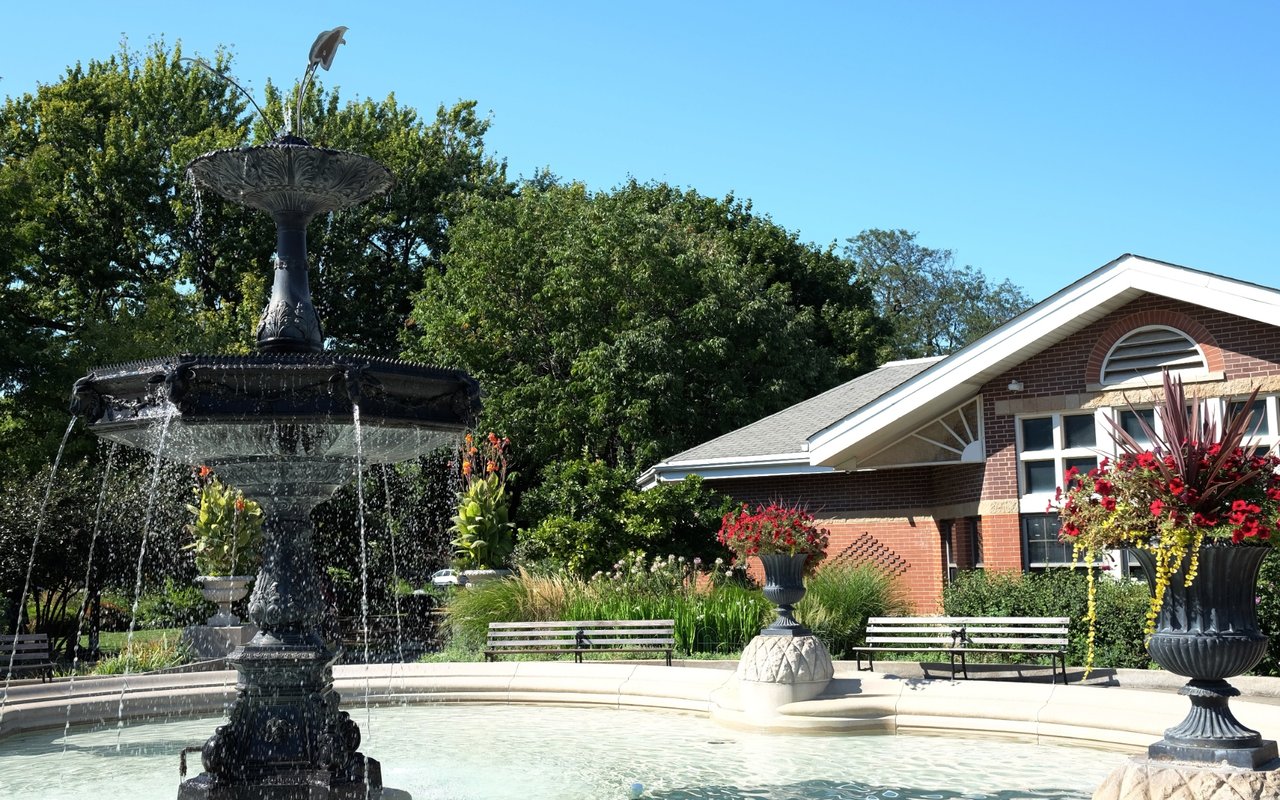
In 1870, developers Charles and Joel Wicker donated land to the city for a public park. The city reportedly fenced the property to keep cattle out, a useful reminder that neighborhood concerns once looked somewhat different.
Following the Great Chicago Fire of 1871, affluent German and Scandinavian families moved west and built substantial brick and stone homes around the park. Polish immigrants later established a strong presence in the area, and portions of the neighborhood became associated with Chicago’s Polish Gold Coast.
Brewers, merchants and industrialists constructed elaborate residences along streets such as Hoyne Avenue, while more modest cottages, flats and worker housing developed nearby.
The twentieth century brought demographic change, economic decline and periods of disinvestment. Latino residents, artists, musicians and independent businesses helped shape the neighborhood during the middle and later decades of the century.
By the 1980s and 1990s, Wicker Park had developed a nationally recognized alternative arts and music identity. Investment followed, along with rising property values, new construction and considerable gentrification.
Today’s Wicker Park reflects all of those chapters. The polished boutiques and expensive homes are real, but so are the immigrant history, industrial remnants and creative communities that made the neighborhood compelling in the first place.
Architecture Is the Real Headliner
Wicker Park’s housing stock is unusually varied, even by Chicago standards.
Near the park and throughout the historic district, buyers will find Victorian-era mansions, Italianate and Queen Anne residences, greystones and detailed brick homes. Nearby blocks include worker cottages, two- and three-flats, courtyard buildings, traditional walk-ups and former commercial or industrial properties converted into lofts.
Newer development has added contemporary single-family homes, townhouses, elevator buildings and modern condominiums, particularly near Milwaukee Avenue and The 606.
The mix is not always architecturally polite, but it is rarely boring.
Historic character also comes with practical considerations. Buyers evaluating older properties should pay close attention to masonry, roofs, windows, foundations, mechanical systems and the quality of previous renovations.
A handsome facade is a very good beginning. It is not, however, a substitute for due diligence.
Properties within or near the Wicker Park Historic District may also be subject to additional review when exterior changes are proposed. Before mentally replacing every window or redesigning the front elevation, it is worth determining what can actually be altered.
Life Along Milwaukee, Damen and Division
Wicker Park is energetic, but it does not feel the same on every block.
Milwaukee Avenue carries much of the neighborhood’s retail, restaurants, bars, cafés, music venues and foot traffic. Damen Avenue combines shopping and dining with Blue Line access and proximity to the park. North Avenue is busy and commercial, while Division Street has its own concentration of restaurants, neighborhood businesses and nightlife.
Move a few blocks from those corridors and the atmosphere changes quickly.
Residential streets around Pierce, Hoyne, Evergreen and Leavitt are lined with mature trees, historic homes, small gardens and quieter sidewalks. Wicker Park itself offers playgrounds, athletic fields, community gardens, a dog-friendly area and seasonal programming.
At the neighborhood’s northern edge, The 606 provides an elevated route for walking, running and biking through Wicker Park and the surrounding neighborhoods. It is useful for recreation, commuting and observing how many people have purchased extremely serious athletic clothing for a moderately paced walk.
Despite what a Saturday night near Milwaukee Avenue may imply, Wicker Park is not one continuous party. It is a functioning residential neighborhood with grocery stores, fitness studios, schools, parks and everyday services woven among the destination businesses.
Getting Around
The Damen Blue Line station sits near the center of the neighborhood, with additional access available from the Division and Western stations depending on the property’s location.
The Blue Line connects Wicker Park to downtown Chicago and O’Hare International Airport, making the neighborhood particularly appealing to downtown commuters and frequent travelers.
Bus routes serve Damen, North, Division, Western and Milwaukee, while The 606 and neighborhood bike routes make cycling practical for many local trips.
A car is not essential for daily life in much of Wicker Park. Parking, however, can be limited near the busiest commercial corridors.
Buyers who own a car should confirm whether parking is included rather than assuming a charming vintage building has quietly concealed a garage somewhere.
Buying a Home in Wicker Park
Wicker Park offers a wide range of property types, but the details vary considerably from one block and building to the next.
Vintage condominium buyers should review the financial strength of the association, reserve levels, recent capital improvements and the quality of earlier renovations or conversions. Masonry responsibilities, roof rights, shared porches, parking arrangements and sound transfer may deserve more attention than the exposed brick wall that initially won everyone over.
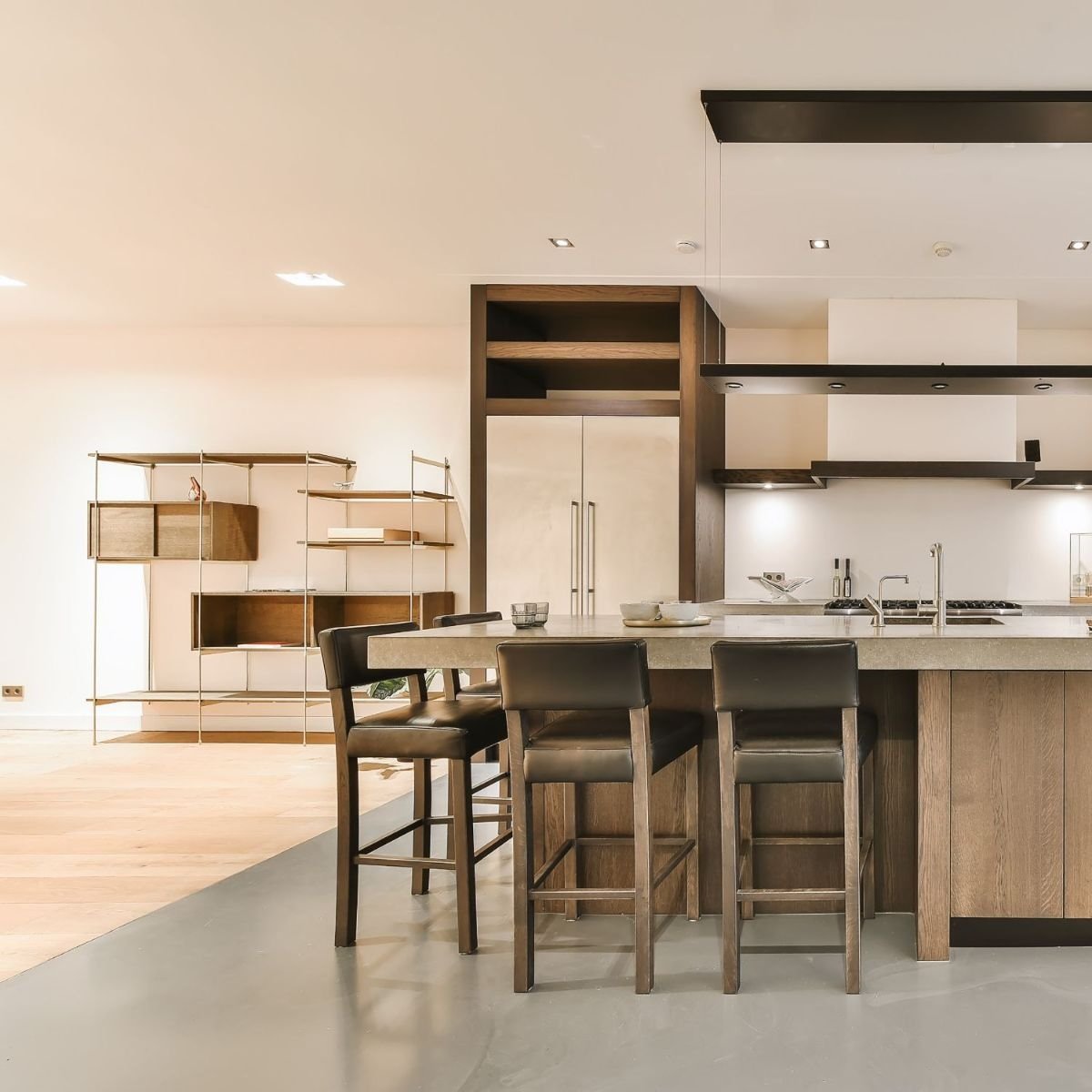
Loft buyers should consider ceiling height, natural light, window condition, heating and cooling systems, storage and how effectively the building manages sound.
New-construction buyers should look beyond finishes and evaluate construction quality, warranties, association planning and the surrounding development pattern.
Single-family homes range from carefully restored historic residences to contemporary new construction. Lot width, landmark restrictions, outdoor space, garage access and proximity to commercial activity can all affect daily life and long-term value.
Location within the neighborhood matters.
A home near Milwaukee Avenue may provide immediate access to transit, dining and nightlife, but it may also bring more noise and pedestrian traffic. A quieter residential block may feel more private while requiring a slightly longer walk to the train.
Neither choice is inherently better. The right answer depends on how the buyer actually intends to live.
Who Wicker Park Is For
Wicker Park works particularly well for buyers who want a highly walkable urban neighborhood with strong public transportation, architectural variety and an independent commercial culture.
It appeals to professionals commuting downtown, frequent travelers using O’Hare, condo buyers who want activity outside the front door and single-family buyers looking for historic character without moving far from the city center.
It may be less suitable for someone seeking abundant parking, uniformly quiet streets or a neighborhood that goes to bed early.
Wicker Park has matured considerably, but it has not become sleepy. That would be off-brand.
At a Glance
Location: Northwest of downtown within the West Town community area
Neighborhood center: Milwaukee, Damen and North Avenues
Housing: Historic mansions, worker cottages, greystones, two- and three-flats, vintage condos, lofts, townhomes and contemporary construction
Transit: Damen, Division and Western Blue Line stations, multiple bus routes and bike access
Green space: Wicker Park and The 606
Known for: Historic architecture, independent shopping, dining, nightlife, music and walkability
Best suited for: Buyers seeking city energy, transit access, architectural character and a highly connected daily lifestyle
Considerations: Block-by-block noise, limited parking, premium pricing and the maintenance responsibilities that can accompany older housing
Considering Wicker Park?
Online research can show you what is currently for sale. It cannot always tell you how a particular block lives, which buildings deserve a closer look or where the meaningful trade-offs may be.
If Wicker Park is on your list, let’s talk through the neighborhood, its housing options and what will best support the way you want to live.
Explore Wicker Park Homes
Ask Me About Wicker Park
Schedule a Consultation